Category: Uncategorized

  • What to Know Before Breaking Ground on a Metal Building in Summer

    What to Know Before Breaking Ground on a Metal Building in Summer

    Summer is the busiest stretch of the year for metal building projects across the Carolinas, Virginia, and Georgia. Longer days and drier ground make it appealing to break ground between June and September, but the season also brings its own scheduling, weather, and site-prep considerations. If you’re planning a metal building summer construction project, a little foresight now can save weeks of delay and thousands of dollars later.

    Understand How Summer Affects Your Timeline

    Summer is peak demand for steel suppliers, fabricators, and crews. That means lead times on components can stretch, and reputable installation teams often book several weeks out. If you want your building up before fall, the practical move is to lock in your order early — ideally before the season is fully underway.

    Weather also plays a role. Afternoon thunderstorms are common across the Southeast in July and August, and even a half-day of heavy rain can push a pour or an erection day. Build a buffer into your schedule rather than assuming everything runs back-to-back.

    Check Soil and Site Conditions Before You Dig

    Dry summer soil looks stable, but appearances can be misleading. Red clay in the Piedmont, sandy soils near the coast, and rocky ground in the mountains all behave differently under a concrete slab or pier foundation. A soil test is inexpensive compared to the cost of correcting a settling foundation later.

    Grading matters just as much. Summer storms move fast, and a site that isn’t properly sloped can flood in minutes. Plan drainage away from the building footprint, and confirm your pad is compacted to the specifications your kit’s engineering package calls for.

    Get Permits and Engineering Squared Away Early

    Every county in NC, VA, SC, and GA has its own permitting process, and summer is when building departments are busiest. Submit plans as soon as you have final dimensions, wind and snow load specs, and a site plan. Some jurisdictions require stamped engineered drawings, especially for larger structures or those with living quarters.

    If you’re weighing structural options, it’s worth understanding how pole barn kits compare to metal building kits (live Aug 21) in terms of engineering requirements, permit complexity, and long-term durability. The right choice often depends on use case and local code as much as budget.

    Plan for Heat — During and After Construction

    Working with steel in July means hot surfaces, hot tools, and hot crews. Reputable installers plan around it: early starts, hydration breaks, and adjusted sequencing for the hottest hours. Ask your builder how they handle heat safety before you sign anything.

    Heat also affects the finished structure. Ventilation, insulation, and roof color all influence interior temperature, and choices made now determine comfort for decades. If you want a deeper look at how the season interacts with steel structures long-term, our overview of how summer heat affects metal building performance covers the trade-offs in detail.

    Match the Building to Its Real Use

    Summer buyers often rush the specification phase because they want to break ground quickly. That’s a mistake. A carport, a working farm shop, a contractor’s equipment building, and a barndominium all have different clear-span, door, insulation, and load requirements. Changing your mind after fabrication starts is expensive.

    Take an honest look at what the building needs to do for the next 20 or 30 years. A contractor storing a boom lift needs taller sidewalls than one storing pickup trucks. A farmer housing hay needs airflow a woodshop doesn’t. If you’re planning something more complex, like a fully custom metal building configuration, expect a longer design conversation up front — and a smoother build once steel is on the ground.

    Budget Realistically, Including Site Costs

    The kit price is only part of the number. Site prep, concrete, permits, utility trenching, and any interior finish work all add up. On a $10,000 to $40,000 kit, site and slab costs can easily add another 30 to 50 percent depending on how much grading, gravel, and concrete the site needs.

    Ask for line-item quotes so you can see where the money goes. If you’re comparing bids, make sure each one is quoting the same gauge of steel, the same wind and snow ratings, and the same anchor system. A cheaper kit that skimps on steel thickness rarely stays cheap over time.

    Coordinate Delivery, Crew, and Concrete

    The biggest source of summer delays isn’t weather — it’s poor sequencing. Concrete needs to cure before erection. The erection crew needs the slab ready when they arrive. The kit needs to be on site when the crew shows up. If any of those links slip, the whole schedule shifts.

    Work backward from your target completion date. Confirm the concrete contractor, the delivery window, and the installation crew are all coordinated in writing. A good supplier will help you build that timeline, not just drop steel on your property and wish you luck.

    Your Next Step

    If you’re aiming to have a metal building standing before fall, start by nailing down three things this week: your intended use and rough dimensions, your site’s soil and drainage picture, and your county’s permit requirements. With those in hand, you can request an accurate quote and a realistic build schedule. Reach out to Heavy Duty Metal Buildings when you’re ready to talk sizing, specs, and delivery for your property in NC, VA, SC, or GA — the earlier in the season we hear from you, the more options you’ll have.

  • How Summer Heat Affects Metal Building Performance

    How Summer Heat Affects Metal Building Performance

    ARTICLE

    How Summer Heat Affects Metal Building Performance

    A practical look at how high summer temperatures affect metal buildings, from thermal expansion to interior comfort, and what owners can do before peak heat arrives.

    Metal buildings are built to last, but they are not immune to the physics of a hot summer. Steel expands, sealants soften, and interior temperatures can climb well past what the outside thermometer reads. Understanding how heat interacts with your structure — and addressing the small issues before they compound — is the difference between a building that ages gracefully and one that develops costly problems over time.

    How Steel Responds to High Temperatures

    Steel expands when it heats up. The coefficient is small, but across a 40-foot panel the movement is measurable, and across an entire roof line it can add up to fractions of an inch of daily travel. Modern metal buildings are engineered to accommodate this movement through slotted connections, floating trim, and expansion joints. When those details are installed correctly, the building shrugs off thermal cycling. When they are not, fasteners loosen, panels oil-can, and seams begin to work themselves apart.

    The issue rarely appears in a single hot week. It reveals itself over several summers, as repeated expansion and contraction fatigues connections that were never quite right to begin with. That is why a mid-summer inspection is more useful than a spring one for spotting long-term wear.

    The Real Impact on Roofing and Fasteners

    The roof takes the brunt of summer. Surface temperatures on a dark metal roof can exceed 160 degrees on a 95-degree day, and that heat drives everything below it. Neoprene washers under exposed fasteners are the first casualty; they harden, shrink, and eventually let water past. Sealants at ridge caps, flashings, and penetrations lose elasticity on the same schedule.

    None of this is dramatic. A single compromised fastener is not a leak. But a roof has hundreds of them, and once one gives way, water finds the path and widens it. Replacing washers and re-sealing penetrations every several years is far cheaper than chasing interior damage after the fact.

    Interior Heat Gain and What It Costs You

    An uninsulated metal building can run 20 to 30 degrees hotter than the outdoor temperature by mid-afternoon. For a workshop, that translates into uncomfortable working conditions, faster tool wear, and shorter equipment life. For storage, it can mean damaged inventory — electronics, adhesives, paint, medications, and wood products all degrade faster in sustained heat.

    Cooling that space with air conditioning alone is expensive and often ineffective without insulation, because the envelope keeps absorbing and re-radiating heat long after sundown. The most cost-effective interventions are the ones that stop heat from entering in the first place.

    Ventilation, Insulation, and Reflective Coatings

    Three upgrades consistently pay for themselves in hot climates. Ridge vents and gable vents create passive airflow that removes the layer of superheated air trapped near the ceiling. Fiberglass batts, spray foam, or rigid board insulation slow the transfer of heat through walls and roof, and they also cut condensation in shoulder seasons. Reflective roof coatings — typically an elastomeric or acrylic product applied over existing panels — can lower roof surface temperatures by 50 degrees or more.

    None of the three requires tearing into the structure. They can be added to an existing building in a matter of days, and the payback period is usually measured in a few cooling seasons rather than a decade.

    Doors, Seals, and the Details That Fail First

    Overhead doors and walk doors are where metal building summer heat performance often quietly breaks down. Weatherstripping shrinks, door tracks expand and bind, and the gap at the bottom of a roll-up door widens by summer’s end. Those small openings let cooled air out and hot, humid air in, forcing HVAC systems to work harder and shortening their service life.

    Inspect door seals in July, not January. The gaps you find when the material is at its most contracted are the gaps you need to address.

    Preventive Steps Before Peak Heat Arrives

    The best time to prepare a metal building for summer is late spring, but a mid-season checkup is still worthwhile. Walk the roof and look for backed-out fasteners, cracked sealant at penetrations, and any panel that has started to lift at the seam. Inside, check for daylight around door frames and at the base of walls. Confirm that vents are unobstructed and that any powered exhaust fans are running when they should.

    If your building has never had its fasteners inspected or its sealants refreshed, that work should move to the top of the list. It is inexpensive compared to a re-roof, and it addresses the exact failure points that hot weather accelerates.

    A Practical Next Step

    Pick a mild morning and spend an hour walking your building with a notebook. Note anything that looks weathered, loose, or out of place, and photograph it. That short inventory becomes the basis for a straightforward maintenance plan — one you can handle yourself where appropriate, and hand to a qualified contractor where the work calls for it. A metal building rewards small, timely attention, and the summer months are when the structure will tell you most clearly what it needs.

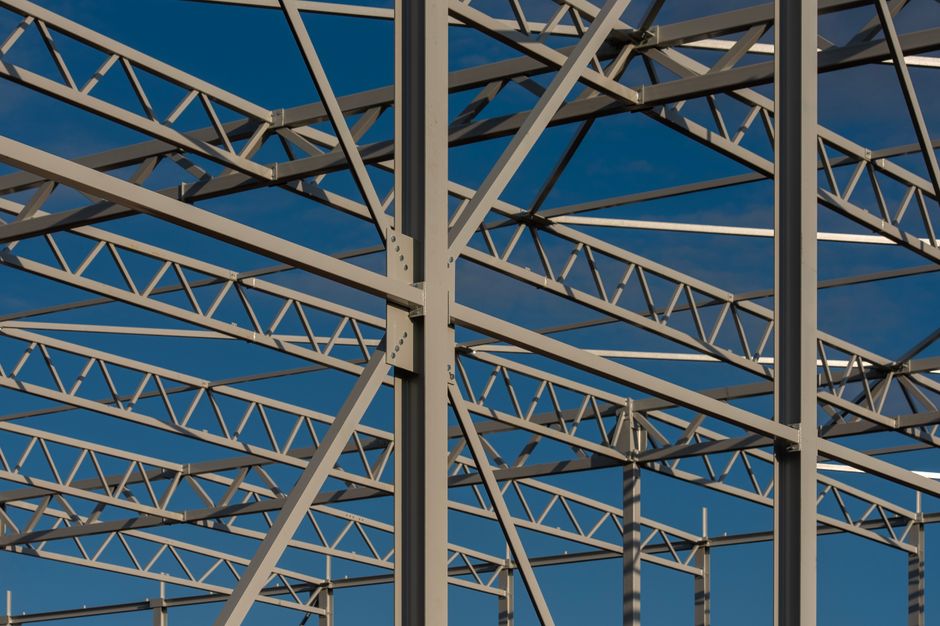
    Featured image: Photo by Victor Moragriega on Pexels.